
Danielle’s mum struggled to get the right diagnosis for her daughter and there was also a lack of follow-up care
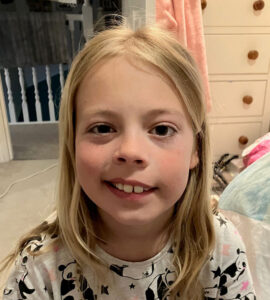 It was the facial asymmetry that led to us getting her checked out. Later, when piecing things together, we realised the rash she had developed was from a tick bite, although as it didn’t have the typical bullseye presentation, it was initially misdiagnosed and treated as ringworm. We were worried it was signs of a stroke.
We didn’t get seen on our first trip to A&E as after a 5 hr wait, an emergency came in and we were advised to go home at 2 am. We had a follow-up GP appointment in the morning, the doctor diagnosed her symptoms as a virus due to the spreading rash and the facial palsy together, along with a high temperature and not feeling right. We were given a further prescription for cream for the rash.
It was only when my mum was discussing her concerns with a colleague (nurses in various community roles), that the potential of it being Lyme disease was raised. My husband took her back to A&E and after nine hours got a diagnosis of Lyme disease. They sent her away with the prescription for the adult medication (adjusted dose), which our pharmacy couldn’t fill. I went to our GP surgery and the lead doctor prescribed a standard dose of amoxycillin. It was only during my own research that night that I found the LDUK article about treatment and higher doses of antibiotics that are needed for Lyme disease. We went back to the doctors again and finally got the right dose prescription.
In the meantime, Danielle’s face got worse, and she was feeling very poorly. She ended up with six days off school. 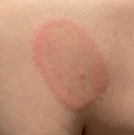 Her face worried us and the NHS provided no follow-up support in respect of her facial palsy. We went to our osteopath, and she gave us various exercises to do. I really feel the NHS needs more follow up, as it took months afterwards for her to look more how she used to. She would also tire quickly and had awful debilitating headaches on a regular basis, to the extent she even had an MRI to rule out any underlying conditions. Danielle is thankfully now fully recovered 10 months later.
Disclaimer: Please note that views expressed are person’s own and should not be considered a recommendation of particular medical treatments, therapies or surgeries. We would always advise you seek advice from a health professional with experience in facial palsy who can assess your individual needs.