
No One Should Face Facial Palsy Alone
Facial palsy has a profound impact on people’s lives – affecting how you speak, eat, blink, and express emotion. The physical and emotional toll can be devastating. Yet in Northern Ireland, people living with facial paralysis are being failed by the system. There are no clear NHS care pathways, no consistent access to specialist services, and no early intervention to give patients the best chance of recovery. At Facial Palsy UK, we’re fighting to change that.

The Problem: A System Letting People Slip Through the Cracks
Right now, patients in Northern Ireland with facial palsy are being misdiagnosed, misunderstood, and mistreated – if they’re treated at all.
- No clear referral pathway means many patients become lost in the system.
- No specialist gatekeeper assesses patient needs early, leading to delays and missed treatment opportunities.
- Misdiagnosis is common, often with serious consequences.
- Funding constraints and poor coordination block new ideas from taking root.
Patients present to their GP or hospital with facial palsy, but once a stroke is ruled out, the aftercare simply isn’t there.
– Janet Robb, Patient Advocate
Janet’s own experience highlights the stakes. Misdiagnosed with Bell’s palsy and treated with steroids, she later learned she had Lyme disease – a condition made worse by that very treatment. Today, she lives with a permanent disability that could have been avoided.
What Facial Palsy UK is Doing
We’re here to let people know that you are not alone, and support is available.
We offer:
- Virtual support groups run by a specialist facial therapist.
- A Northern Ireland Support Network connecting people with shared experiences.
- Information and advice via our helpline and website.
But that’s not enough. We’re campaigning for systemic change.
Our Goal: A Better Future for Facial Palsy Care
We are proposing the Northern Ireland Health Service commission a three-phase programme to improve patient access to specialist care:
Phase 1: Recruitment of two Specialist Facial Therapists and two Psychologists
Phase 2: Fund a dedicated Botulinum Toxin clinic
Phase 3: Expansion of the clinical team and development of a fully operational Multidisciplinary Team (MDT)
We’re also urging commissioners to explore joint working with charities, including integration into upcoming projects like the Facial Palsy UK app and new virtual psychotherapy services – benefits Northern Ireland could miss out on without a dedicated specialist.
Why Specialist Facial Therapy?
Facial rehabilitation is a complex post-graduate specialism not covered in standard therapy training. Facial muscles behave differently from other muscles, requiring tailored management at each stage of nerve recovery. Inappropriate treatment can worsen outcomes, while specialist therapists help avoid such risks, identify serious underlying conditions, and coordinate care with other professionals, including referrals for targeted treatments like botulinum toxin.
What We Need Politicians to Do
We need our elected representatives to:
- Apply pressure on NHS commissioners to support creative, patient-focused solutions.
- Back the programme and commit to evaluating its impact.
- Champion partnership working with charities like Facial Palsy UK.
Every Missed Diagnosis is a Missed Chance to Help
Without urgent action, Northern Ireland will continue to lose ground on:
- Early diagnosis and intervention.
- Efficient NHS resource use.
- Access to groundbreaking national projects.
- Psychological and emotional recovery for patients.
Join Us – Help Us Make Change Happen
Facial palsy shouldn’t mean a lifetime of struggle – yet without specialist care, many patients are left to cope on their own.
If you or someone you know is living with facial palsy in Northern Ireland and not receiving the support they deserve:
📞 Call us on 0300 030 9333
📧 Email support@facialpalsy.org.uk
Personal Stories
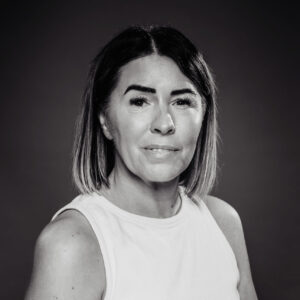 Rachel developed facial palsy in 2019 after having an acoustic neuroma removed.
It feels like Northern Ireland is so behind when it comes to treating conditions like this. I gave my life to the NHS – I worked as an auxiliary nurse – and it’s heartbreaking to feel like this condition, and people like me, just don’t matter.
– Rachel, FPUK Media Volunteer
 Joanne has been living with the aftereffects of facial palsy caused by multiple cavernoma in her brain. She struggled to access any follow-up care or support and would like to see more consistency in services for patients with facial palsy across the UK.
It took 16 years for me to get a true diagnosis and I’ve learned a lesson that if you’re not happy to keep pushing!
– Joanne, FPUK Media Volunteer
This campaign was generously funded by the National Lottery Community Fund

Last reviewed: 02-05-2025 || Next review due: 02-05-2027