

I was born with facial palsy and so I’ve lived with it my whole life. Having had it for as long as I can remember means that I’ve learned to build up lot of resilience about the impact that it’s had on me. One thing that stands out for me is how little it was talked about when I was young. The first time I ever actually heard the term ‘facial palsy’ was when I was much older and someone at a healthcare centre that we used through work mentioned it to me. Certainly, when I was a child and even well into adulthood, no doctor ever mentioned the phrase to me.
When I think back on my childhood, I remember that other children were very eager to be friends with me, and to speak to me. Now looking back I realise that they wanted me to talk to them because they were so curious about the way I looked, and particularly how I looked when I spoke because of the asymmetry of my mouth.
My mother never spoke to me about my facial palsy growing up; in fact, it’s only in the past few months that I’ve really had an opportunity to speak to her about it. I was able to find out that I was born at home, in London, and that when the midwife came to deliver me, there were a few things that didn’t go to plan which I believe then led to me having facial palsy from birth.
My first boyfriend was my childhood sweetheart and he was very kind and protective towards me. I must have built up a real resilience when it came to my facial palsy – it was just never talked about. I never saw anyone else or met anyone else like me who had it. As life went on I just learned to live with it. It did affect me in relationships and also just in general as people would sometimes make comments. On one occasion a bunch of kids asked me why my mouth looked the way it did but I just replied and said that we’re all born different. I remember my boyfriend mentioning at the time that he felt really proud of the way that I’d handled the comment.
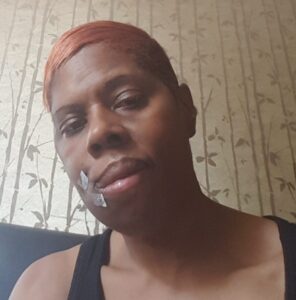
Also, in the workplace I’ve had instances where a colleague has made a cruel comment about my facial palsy. It’s different when an adult says something like that because it’s harder to forgive than when a child makes a comment. I don’t think that adults have the same excuse because they should know better.
I really love my work and I get so much from helping the young people that I work with. A lot of my work involves supporting children and young people with special educational needs and I have so much empathy for them and a real desire to help them to learn and grow and make a difference in their lives. I do sometimes think that the hardship of having facial palsy has really helped in terms of my awareness of others’ struggles and has given me more empathy for people generally. The work that I’ve done over the years has been really rewarding. One young man that I bumped into years later said that he’d probably have ended up in jail if it hadn’t been for me! I’m really proud to have been able to have had a positive influence on so many young people, so my work has been a real blessing to me.
Fortunately, I have had the benefit of undergoing surgery to improve my facial asymmetry. It all came about by chance when I happened to meet someone with a clinical background in cosmetic surgery and she kindly made some suggestions about how I might take steps to improve things.
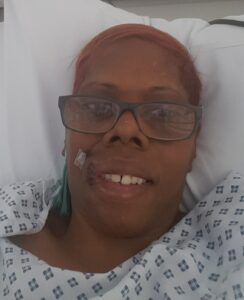
After about three years of going back and forth with doctors, in 2016 I had a procedure which involved a static suspension sling being fitted. The purpose of this surgery is to help with the appearance of facial symmetry when you’re not smiling. That means that when my face is at rest the overall appearance is now much more even. I feel that the surgery has really helped me. My face isn’t perfect but I love to smile and I really do see a lot of benefits from having had the surgery. It did take quite a few months to heal from the surgery but it was worth it in the end!
When it came to lockdown though I was aware of the difficulties posed by having facial palsy because I didn’t feel comfortable talking with people that I didn’t know very well over a screen. Having said that, now that I’ve read all of the other stories on the Facial Palsy UK website I feel less like that and also less isolated generally.
I’m also grateful for the support that I’ve had from my children. They see a change in me after the surgery but they’d always been really supportive and positive, as has my partner who was the first to comment about the benefits of my procedure.
Hopefully my own kids and also all of the children that I’ve worked with over the years will have a lot more empathy for facial palsy patients after learning about it through me.
Disclaimer: Please note that views expressed are person’s own and should not be considered a recommendation of particular medical treatments, therapies or surgeries. We would always advise you seek advice from a health professional with experience in facial palsy who can assess your individual needs.